To Take Full Advantage of Your Twitter Media Gallery
Social media was already a thing (remember Myspace?) before mainstream juggernauts like Facebook and Twitter took over the industry. These days it tin feel like yous tin can either use these services or nil else. However, there are many competing sites that might offer more of what y'all want or, at to the lowest degree, less of what you don't desire.
Regardless of what your specific complaints are when it comes to the social media market leaders, you always have a social media alternative to plough to.

Mastodon
Mastodon is an Open Source, decentralized alternative to the Twitter microblogging service. It looks and works a lot like Twitter, so electric current Twitter users shouldn't have also difficult a time adjusting. Instead of Tweets, you send "toots" which can exist upward to 500 characters in length.
Under the hood however, Mastodon works very differently from Twitter. Instead of being a traditional hosted spider web service, Mastodon is spread out over a "federated" network.
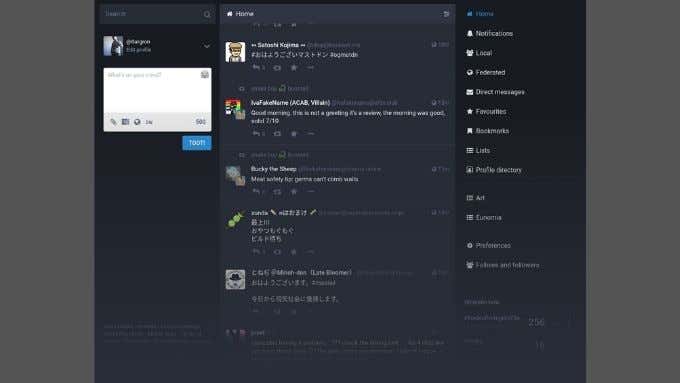
Different Mastodon instances are dwelling to dissimilar types of content or different communities. Each has its own rules and policies, but they piece of work together and share information with no event. Instances can block each other or specific content from other instances, but users can interact with each other across instances without whatever issues.
Its federated network design makes information technology hard if not impossible to shut Mastodon down and and so information technology'south become a home for a diverse and often fringe set of subcultures.
Diaspora*
Major social media platforms such as Facebook and Twitter are businesses aimed at making profit. Which is ane of the reasons they use nerveless user information to offering more effective advertising to other businesses.
Diaspora* is a non-profit social media platform that'south owned and operated past users. The arrangement is broken up into "pods" that are independently run and owned. Much like Mastodon's instances, these pods are networked together. Even the initial development of Diaspora* came from crowd-sourcing.
By its very pattern, Diaspora* tin can't exist monetized or used to sell ad. There's no incentive to collect personal data at all, not to mention that information technology's extremely resistant to attempts to shut it down. The entire system is built around the principles of decentralization, freedom and privacy. Something that's built into the DNA of Mastodon'due south code.
Ello
Ello started out as a straightforward alternative to Facebook. The main difference was largely that Ello is ad-free and therefore would non collect or sell user data to advertisers. Since then, it'southward become a piffling less like Facebook and more like visually-focused sites such as Pinterest, Deviant Fine art or Instagram.
Ello has been embraced past artists to such an extent that the site now bills itself as "The Creators Network". You'll find a large collection of top artists showcasing their piece of work, besides every bit many opportunities for up and coming artists to appoint with briefs and show off their portfolios.
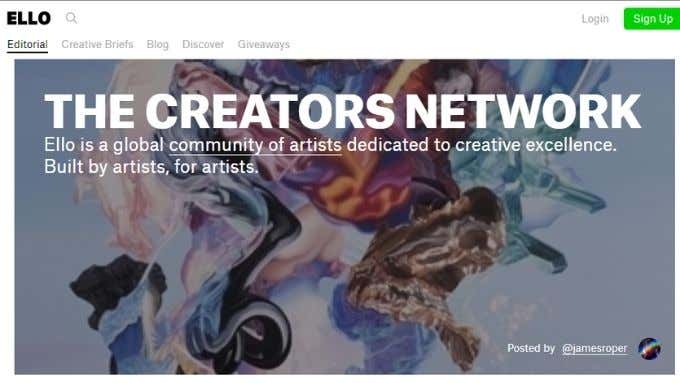
Ello is notable for its no-ads policy and no enforcement of existent names. User information isn't sold to 3rd-parties either. Which makes it a compelling alternative to the Facebook-owned Instagram, with some aspects of Facebook thrown in for expert measure.
The Dots
The Dots is actually more of an alternative to the likes of LinkedIn, just enough of people utilize platforms similar Facebook or Twitter to build a less formal professional network, so The Dots is still something we demand to include in the conversation.
The "professional network for people who don't wear suits" is pretty much the best description of The Dots yous could take. Their copywriter has certainly earned a bonus!
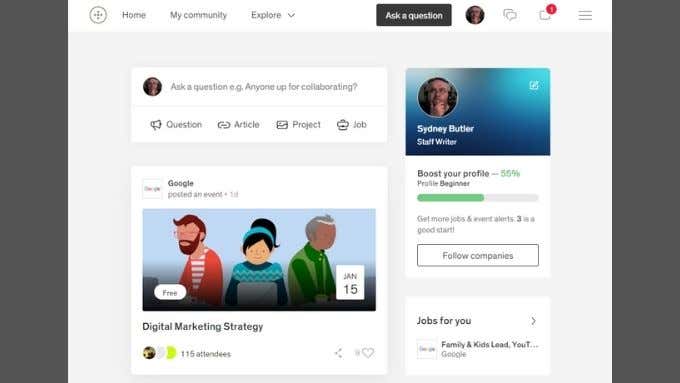
The Dots plays host to professional person people from some of the hottest startups equally well as large established brands. It'southward a place where companies go to rent talent, but it'south also a adept place to discover other people who tin help you, give advice or even collaborate on projects. It's easy to set upwardly a detailed contour then that people can see who you've worked with, what yous've done and what sort of work yous're looking to practice.
NextDoor
Many people who use Facebook are only really looking to connect to people who are shut by, such equally those who live in the same neighbourhood. It's why people ready private Facebook groups for their homeowners associations and schools.
If that'south your principal reason for using social media, you may want to consider NextDoor. This is a social media platform designed specifically to let people who live in the same neighborhood communicate socially without being exposed to a larger social group.You'll too get access to local resources, such equally businesses in your expanse and nonprofit organizations and programs.
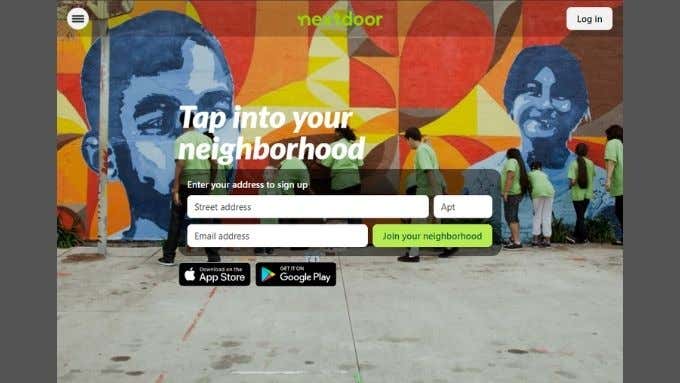
NextDoor requires that every user verify their name and accost, but that information isn't shared with anyone. That ensures the people you become to collaborate with are actually a part of the local community. And so you'll know almost events and issues in your own neighbourhood without having to worry near random strangers butting in.
Minds
Referred to as the "anti-Facebook" past Wired magazine, Minds has a unique business model where you can actually earn either tokens or real money for your action on the site.
It'south a mix of dissimilar social media elements. You tin publish blog posts, videos, pictures and statuses. In that location are feeds of trending topics and information technology has secure group conversation as well.
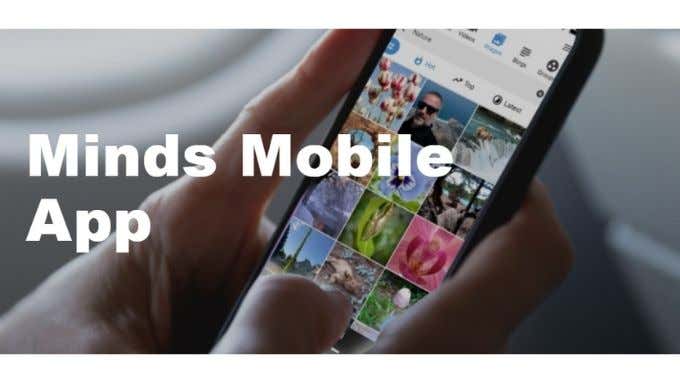
If you lot create content, you can get paid in US Dollars and cryptocurrency by your fans. So information technology'southward almost a mix of Facebook and the various platforms such as YouTube and Patreon.
Minds uses completely open up source code, which means that you lot can look through their algorithms to know exactly how they piece of work. Their content policy is very open and makes uses of a community jury to determine if something is unsuitable. It'south a platform with potent costless spoken language underpinnings, so be prepared for robust opinions, depending on where you lot venture.
Betoken & Telegram
We've grouped these 2 social media alternatives together because they are both alternatives to Facebook Messenger and like apps like Whatsapp, which is owned past Facebook.
Both Signal and Telegram offer a more privacy-focused service. Although all of these services make use of encryption to protect your messages from prying eyes, Signal and Telegram get the extra mile.
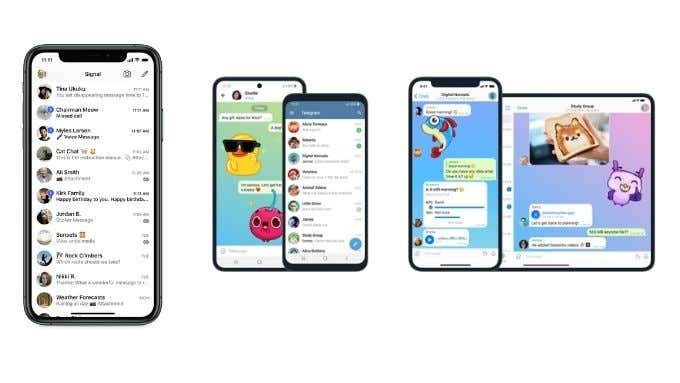
Of the two, Signal is the most strict in terms of privacy. It takes a hard line against storing metadata on its servers and it doesn't store or share information such equally when you were last active. Betoken as well stores no info about its users at all, but of class that does mean information technology ends up being a little less convenient to use than Telegram.
We actually recommend that people use both Telegram and Signal. Telegram is neat every bit a more private general-purpose messenger app with fun social features, while Betoken is perfect for when yous need to communicate with the highest level of privacy and security.
Social Media on Your Ain Terms
Dissimilar social media platforms have dissimilar ways of conducting their concern. They have their own policies, outlooks and visitor structures. Some want to brand a turn a profit, others want to build communities. At that place's nothing inherently good or bad nearly whatsoever of these choices, merely what's important that you have choices.
Information technology's never keen for whatever ane service or product to have a total monopoly and these social media alternatives permit you decide almost which sacrifices y'all'd like to make.
Do not share my Personal Information.
Source: https://www.online-tech-tips.com/cool-websites/8-best-social-media-alternatives-to-facebook-and-twitter/
0 Response to "To Take Full Advantage of Your Twitter Media Gallery"
Publicar un comentario